
Prepare for Stronger Pocono Ski Days
Ski conditioning helps you feel steadier, stronger, and more comfortable when Pocono ski season begins. Early runs in November and December can bring cold temperatures, changing snow, and the leg fatigue that builds after repeated trips from lift to slope.
At Serenité Private Members Club, we see winter as an opportunity to enjoy the Pocono Mountains with purpose. Our luxury private mountain retreat and private residence club atop Camelback Mountain brings together refined second-home living, wellness, recreation, hospitality, concierge support, and a members-focused community. Preparing before your first ski day can help you spend more time enjoying the mountain and less time managing soreness or fatigue.
Build a Ski-Ready Base Before Snowfall
Skiing takes more than strong thighs. A useful conditioning plan also develops core stability, heart and lung endurance, joint mobility, and control through your hips, knees, ankles, and feet. Together, those abilities can help you maintain a more comfortable stance and move with greater confidence as the day goes on.
We recommend building your base with familiar movements that can be performed with careful form and gradual progress. The goal is not to push through an exhausting workout. Instead, focus on repeating good movements consistently in the weeks before your ski days begin.
- Bodyweight squats and step-ups for lower-body strength
- Lunges and hip hinges for control through the hips and legs
- Calf raises for ankle and lower-leg support
- Controlled core work, such as planks or slow dead-bug variations
Two or three strength sessions each week can be a practical starting point for many skiers. Start with a level that feels manageable, then add repetitions, resistance, or time slowly as your body adapts. If you are returning to exercise, managing an injury, or living with a health condition, we encourage you to speak with a qualified healthcare or fitness professional before beginning a new routine.
Train for Pocono Terrain with Purpose
Pocono Mountain skiing can call for quick reactions and steady muscular control. Snow texture may change through the day, visibility can shift, and tired legs can make even familiar runs feel more demanding. Training with those realities in mind can prepare you to make calmer decisions and keep sound technique when your energy starts to dip.
A Pocono Mountain Fitness Club mindset is about training for the activity you love rather than following a routine with no connection to the slopes. Skiers often benefit from movements that build endurance in a bent-knee position, strengthen one side of the body at a time, and encourage controlled movement from side to side.
- Lateral lunges for side-to-side strength
- Wall sits for sustained leg endurance
- Single-leg step-ups or split squats for stability
- Low-impact cardio intervals, such as cycling or brisk incline walking
- Slow lateral steps with controlled direction changes
Keep the pace appropriate for your current fitness level. Quality matters more than speed, especially with single-leg and side-to-side movements. By building strength and stamina over several weeks, you can arrive ready for multiple runs instead of treating the first day on snow as your entire training plan.
Improve Balance, Mobility, and Control
Balance and mobility deserve as much attention as strength. Comfortable movement through the ankles, hips, and upper back can support smoother turns and a more natural skiing position. When those areas feel stiff, it can be harder to adjust your body as conditions change beneath your skis.
Simple balance work is a smart place to begin. We suggest moving slowly enough that you can notice how your foot, ankle, knee, and hip work together. A single-leg stand near a stable surface, a slow step-down, or a controlled weight shift from one foot to the other can build awareness without adding too much intensity.
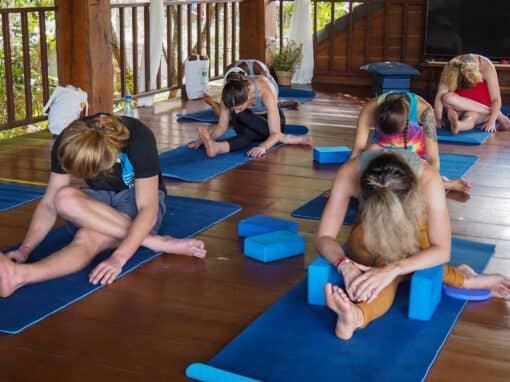
Before heading outdoors, give yourself a short dynamic warm-up instead of stepping directly into boots and bindings. Try a few bodyweight squats, gentle leg swings, hip rotations, and easy calf mobility movements. Static stretching can still have a place after activity or during a focused mobility session, but movement-based warm-ups are often a better match for preparing your body to ski.
Make Recovery Part of Your Ski Plan
Recovery is part of conditioning, not something to save for when you are already worn out. Rest, hydration, quality sleep, and gentle movement give your body time to respond to the added work of training and skiing. They also help you notice the difference between normal effort and fatigue that deserves more attention.
After a day on the mountain, keep the reset simple. Light walking, easy mobility work, warm layers, and enough time to wind down can all support a more comfortable next day. If your legs feel unusually heavy, your form is slipping, or soreness is growing instead of easing, taking a recovery day may be the wiser choice.
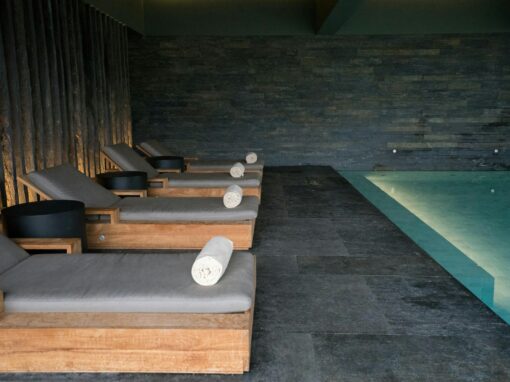
Within a Pocono Mountain Fitness Club approach, recovery belongs in the same conversation as training. At Serenité, we view ski season as part of an intentional mountain lifestyle that makes room for recreation, restoration, and connection to the Pocono Mountains.
Begin Your Conditioning Plan This November
A few repeatable habits can make a real difference before the busiest weeks of ski season arrive. Start with consistent strength work, add balance and mobility practice, and build endurance at a pace that respects where you are today.
The best plan is one you can continue. Give yourself time to prepare, listen to early signs of fatigue, and let each workout support more comfortable, confident days on the snow.
Train With Purpose for the Mountain Ahead
At Serenité Private Members Club, we bring wellness, recreation, and refined mountain living together in one private retreat. Discover how our Pocono Mountain Fitness Club can support your training routine throughout ski season and beyond. Our spaces and community create room to move, recover, and make the most of every mountain day.